Expert Guide by Orchard Solutions – Leading Orchard Developer & Consultant in India
Weed control in orchards is a critical management practice for achieving high productivity and premium fruit quality. At Orchard Solutions, based in Ramnagar, Uttarakhand, we have observed that improper weed management is one of the major reasons behind low yield and poor fruit development in apple, kiwi, cherry, blueberry, and stone fruit orchards.
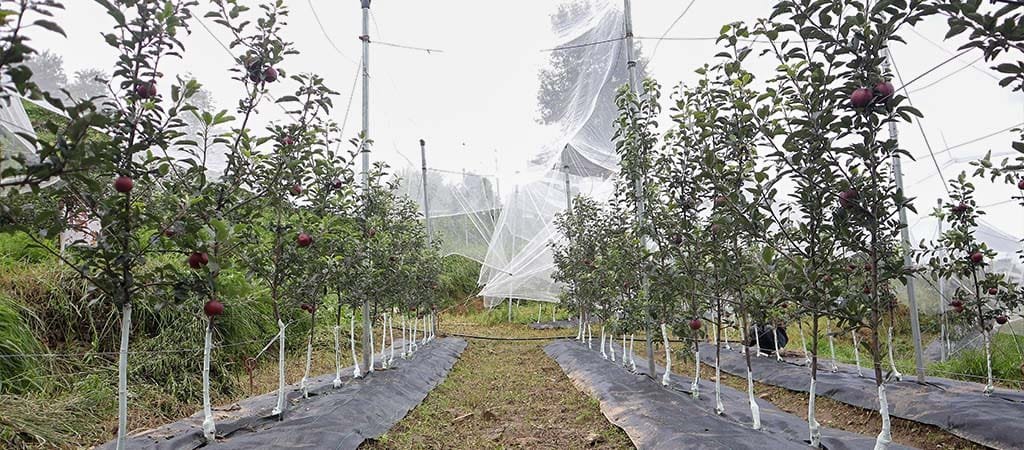
As a leading orchard development and consultancy company in India, we recommend a scientific and integrated approach to Kharpatwar Niyantran for sustainable and profitable fruit farming.
Why Weed Control Is Essential in Modern Orchards
In high-density apple, kiwi, and cherry plantations, young trees compete aggressively with weeds for:
- Soil nutrients (N, P, K, micronutrients)
- Irrigation water (especially in drip systems)
- Sunlight
- Root-zone space
Uncontrolled weeds can reduce orchard productivity by 20–40% and negatively impact fruit size, color, and market value.
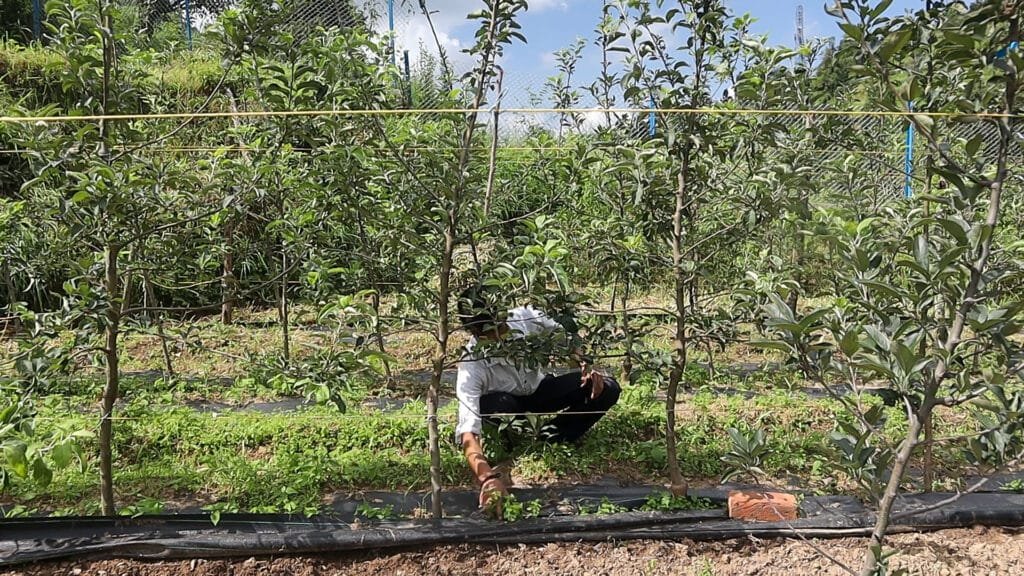
Major Benefits of Proper Weed Management
✔ Improved tree growth during early establishment
✔ Better flowering and fruit set
✔ Larger fruit size and enhanced color development
✔ Efficient fertilizer utilization
✔ Reduced pest and disease incidence
✔ Higher return on investment (ROI)
For commercial orchards in Uttarakhand, Himachal, and Kashmir, weed control is especially critical during the first 3 years of plantation.
Effective Weed Control Methods Recommended by Orchard Solutions
1️⃣ Mulching – Best for High-Density Orchards
Mulching is one of the most effective and sustainable weed control techniques.
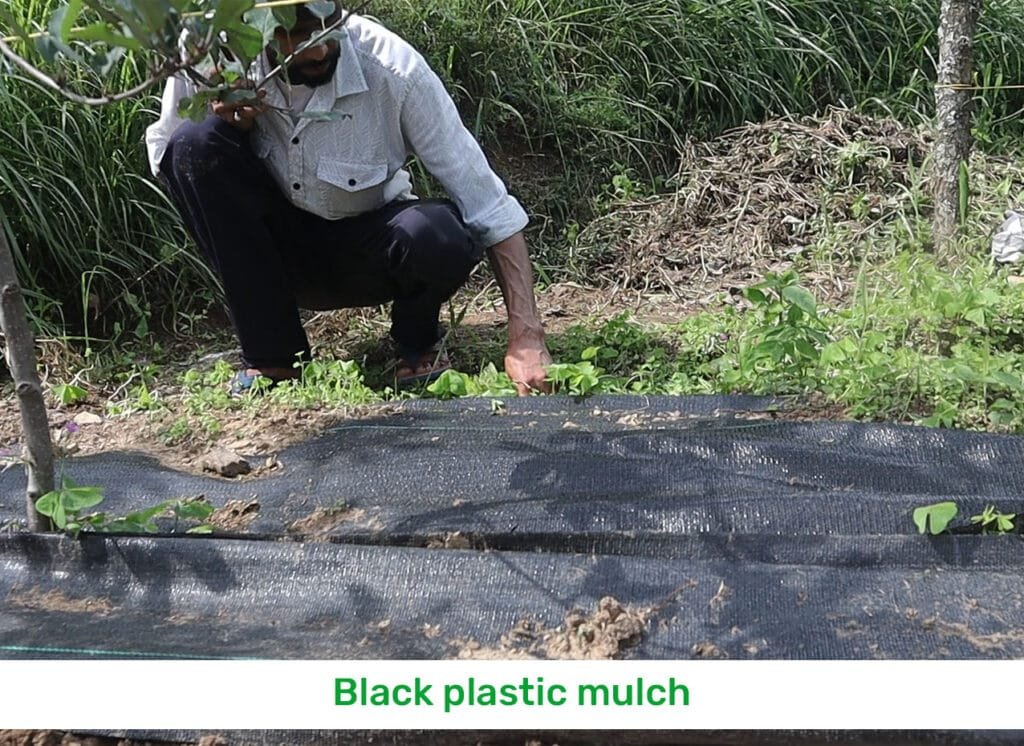
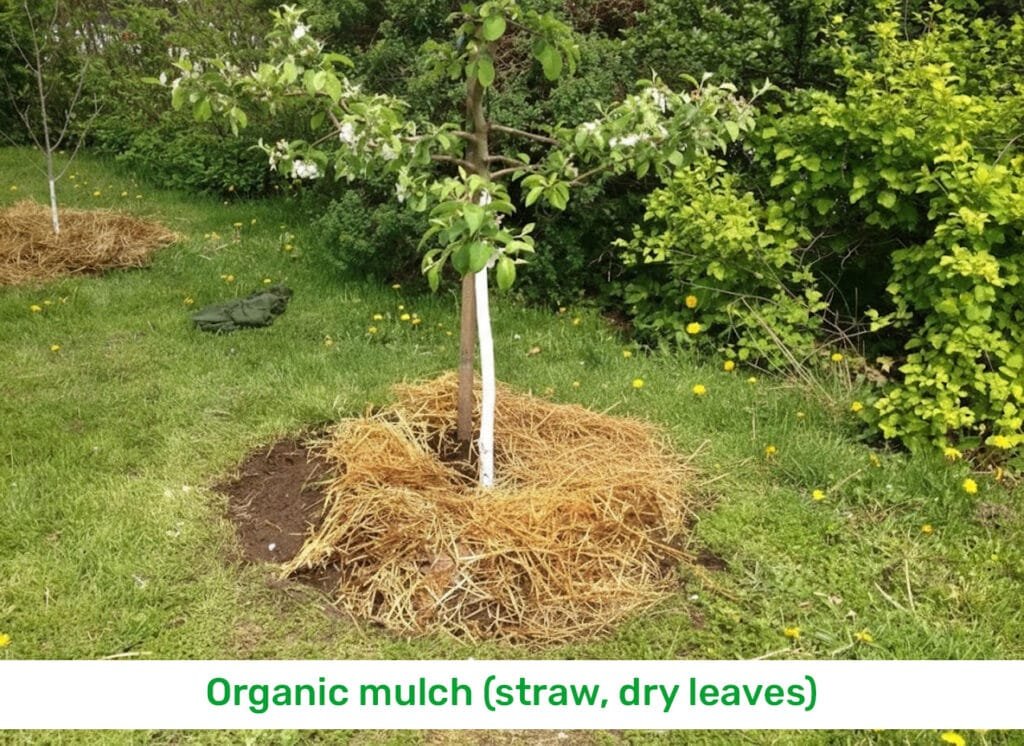
Types of Mulch:
- Black plastic mulch
- Organic mulch (straw, dry leaves)
- Agro-textile mulch
Advantages:
- Suppresses weed germination
- Conserves soil moisture
- Improves soil temperature
- Enhances root development
We strongly recommend mulching in HDP (High-Density Plantation) apple and kiwi orchards.
2️⃣ Manual & Mechanical Control
- Hand weeding around tree basins
- Power weeders between rows
- Intercultivation in early plantation years
Best suited for young orchards (1–3 years).
3️⃣ Chemical Weed Control (Controlled Herbicide Use)
Herbicides must be used carefully and scientifically.
Types:
- Pre-emergence herbicides
- Post-emergence herbicides
- Selective herbicides
- Non-selective herbicides (only between rows)
Avoid direct contact with tree trunks. Always follow recommended dosage and timing.
4️⃣ Integrated Weed Management (IWM) – Our Recommended Approach
At Orchard Solutions, we promote Integrated Weed Management, combining:
- Mulching
- Limited herbicide use
- Manual control
- Drip irrigation management
- Regular field monitoring
This approach ensures long-term soil health and sustainable orchard productivity.
Critical Weed Control Period in Orchards
- First 60–90 days after plantation
- Before flowering stage
- During fruit development
- Immediately after harvest
Timely intervention during these stages significantly improves yield potential.
Sustainable Orchard Floor Management Strategy
For long-term success:
- Maintain clean tree basins
- Conduct regular soil testing
- Use drip irrigation efficiently
- Rotate herbicides to prevent resistance
- Encourage organic mulching practices
About Orchard Solutions
Orchard Solutions is a leading orchard development and consultancy company based in Ramnagar, Uttarakhand. We specialize in:
- High-Density Apple Orchards
- Kiwi Plantation Development
- Cherry & Stone Fruit Orchards
- Blueberry Farming
- Drip Irrigation & Orchard Layout Planning
- Soil & Water Testing
We provide end-to-end orchard consultancy services across Uttarakhand, Himachal Pradesh, and Kashmir.
🌐 Website: https://www.orchardsolutions.in/
📞 Contact us for scientific orchard management solutions.
Frequently Asked Questions (FAQs)
Weed control prevents nutrient and water competition, improves fruit size and quality, and reduces pest pressure in apple orchards.
Mulching combined with limited herbicide use and manual weeding (Integrated Weed Management) is the most effective approach for kiwi orchards.
The first 60–90 days after plantation are critical. Weed control should also be done before flowering and during fruit development.
Yes, if used incorrectly. Always avoid spraying directly on trunks and follow recommended dosages.
Mulching is safer and improves soil health. However, combining both methods strategically gives the best results.