
Do you want to grow your own herbs and vegetables but think you need a big backyard? Think again! Your terrace or balcony holds the potential for a beautiful and productive garden. This guide will help you start your gardening journey with confidence.
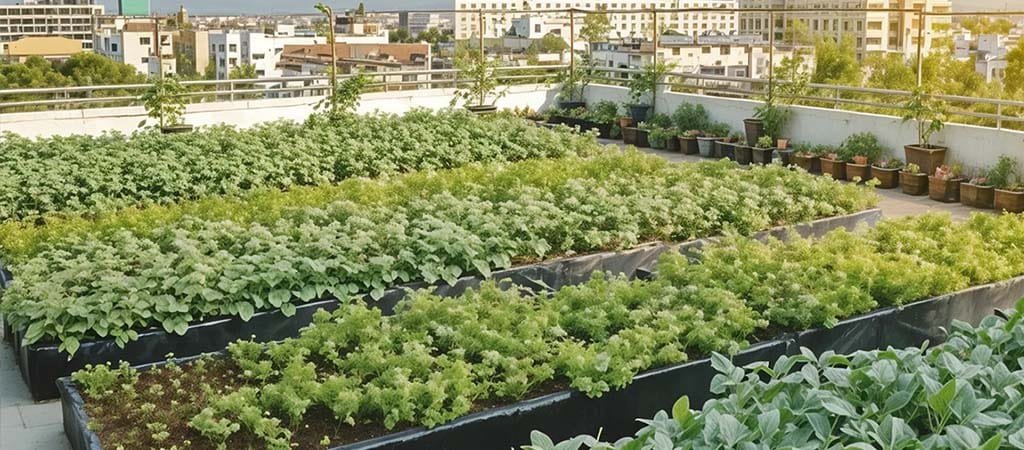
Why Start a Terrace Garden?
A terrace garden offers many benefits:
- Fresh Food: Harvest your own organic vegetables and herbs.
- A Beautiful Space: Turn a plain terrace into a relaxing retreat.
- A Cooler Home: Plants naturally help lower temperatures.
- A Rewarding Hobby: Gardening is a peaceful and satisfying activity.
Getting Started: A Step-by-Step Plan
Follow these steps to create your garden successfully.
1. Plan and Prepare Your Terrace
Safety first. Ensure your terrace can support the weight of pots, soil, and water.
- Check the Structure: If unsure, consult a professional about your terrace’s load capacity.
- Ensure Proper Drainage: Water must flow away easily to avoid leaks into your home. Good waterproofing is essential.
2. Select the Right Containers
You can use various containers, from traditional pots to recycled items. The key is that they must have drainage holes. Lightweight plastic, fabric pots, or wood are excellent choices.
3. Use Quality Potting Mix
Do not use soil from the ground. It is often too dense and may contain weed seeds or pests. A good potting mix is light and drains well. You can buy a pre-made mix or make your own with:
- 1 part garden soil
- 1 part compost (for nutrients)
- 1 part coco peat or perlite (for aeration and drainage)
4. Choose Easy-to-Grow Plants
Start with plants that are forgiving and grow well in containers.
- Great Beginner Choices: Herbs like mint, basil, and coriander. Vegetables like tomatoes, chillies, and spinach.
5. Master Watering and Feeding
- Watering: The most common mistake is overwatering. Check the soil by pushing your finger about an inch deep. Water only if it feels dry.
- Feeding (Fertilizing): Plants in pots need nutrients. Use an organic fertilizer, like liquid compost, every 3-4 weeks during the growing season.
6. Manage Pests Naturally
Keep an eye out for insects. If you see pests, try an organic solution first, like a spray made from neem oil and water.
7. Maintain Your Garden
Spend a little time each day checking your plants. Remove dead leaves, and provide support like stakes for climbing plants.
Best Plants for Your Terrace Garden: A Beginner’s Guide
Starting a terrace garden is exciting, but the big question is: “What should I grow first?” The best plants for beginners are those that are easy to care for, grow quickly, and don’t need too much space.
Here’s a simple list categorized to help you choose.
| Plant Type | Examples | Best For | Key Requirement |
|---|---|---|---|
| Easy Herbs | Mint, Coriander, Basil | Absolute beginners, small pots | Regular watering (Mint), Good Sun (Others) |
| Leafy Greens | Spinach, Lettuce, Methi | Quick harvest, limited space | Good soil, regular water |
| Popular Veggies | Tomato, Chilli, Brinjal | Beginners wanting a bigger harvest | Large Pot, Full Sun, Support (for Tomato) |
| Root Vegetables | Radish, Carrot | Deeper pots, fun project | Deep pot, loose soil |
| Colorful Flowers | Marigold, Sunflower | Adding beauty, attracting pollinators | Plenty of sunlight |
Helpful Tips for Success
- Start Small: Begin with just a few pots. You can always expand later.
- Sunlight Matters: Most vegetables need at least 5-6 hours of direct sunlight daily. Observe how the sun moves across your terrace.
- Label Your Plants: This helps you remember what you planted and its care needs.
What to Avoid: Common Beginner Mistakes
- Overwatering: This is the fastest way to harm plants. Always check the soil first.
- Crowding Plants: Give each plant enough space for air to circulate, which helps prevent disease.
- Using Poor Soil: Investing in good potting mix is the foundation for a healthy garden.
Conclusion
Starting a terrace garden is an enjoyable project that brings you closer to nature. By following these simple steps, you can successfully grow your own food and create a beautiful space to enjoy. Remember, every gardener learns by doing. Start small, be consistent, and soon you will reap the rewards of your efforts.
Happy gardening!