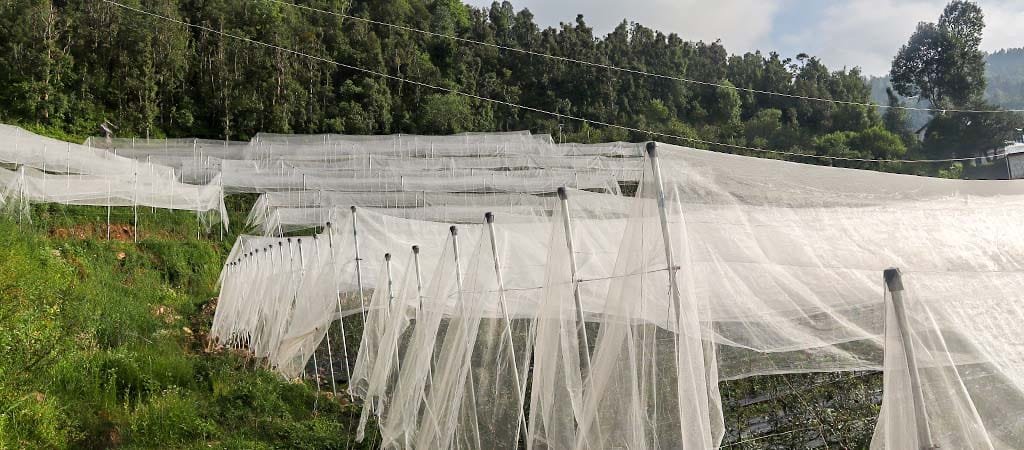
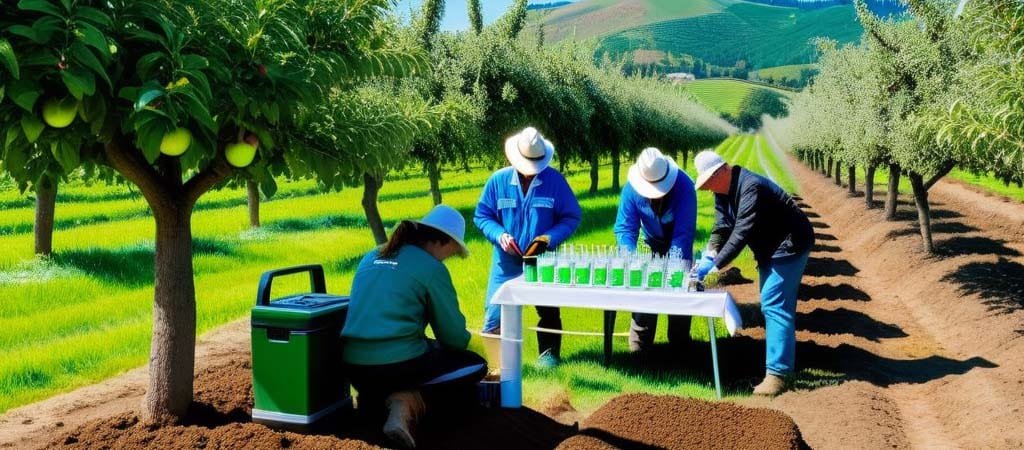
In the evolving landscape of horticulture, sustainability is no longer optional—it’s essential. As consumer demand for chemical-free produce rises and environmental challenges intensify, orchard managers across India are rethinking how fruit cultivation is planned and maintained.
For apple orchards, particularly in the Himalayan and mid-altitude zones, traditional farming methods are being replaced with organic and sustainable management systems that maintain soil fertility, minimize chemical use, and protect ecological balance.
At Orchard Solutions, we believe that the future of orchard development lies in integrating scientific precision with natural harmony—creating orchards that are both productive and planet-friendly.
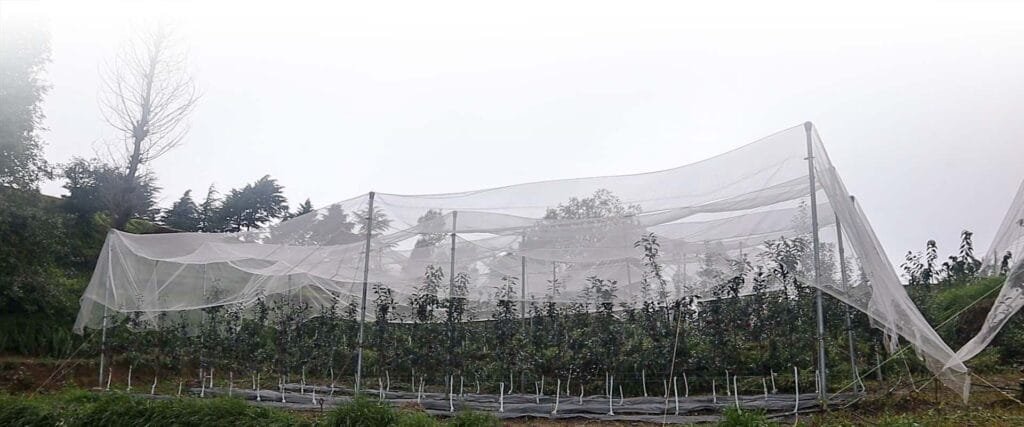
Principles of Organic and Sustainable Orchard Management
Organic and sustainable orchard management rests on three fundamental principles:
| Principle | Objective | Key Focus Areas |
|---|---|---|
| Soil Health Restoration | Enhance soil fertility and microbial balance | Composting, green manuring, biofertilizers |
| Ecological Balance | Encourage natural biodiversity | Intercropping, beneficial insect management |
| Resource Efficiency | Reduce external inputs and waste | Water-use optimization, renewable energy, recycling |
These principles aim to replace chemical dependency with biological solutions, ensuring that orchards remain self-sustaining and resilient over time.
Building Soil Health: The Foundation of Sustainability
Healthy soil is the cornerstone of every organic orchard. A biologically active soil improves nutrient cycling, enhances root growth, and supports natural pest resistance.
1. Organic Manures and Compost
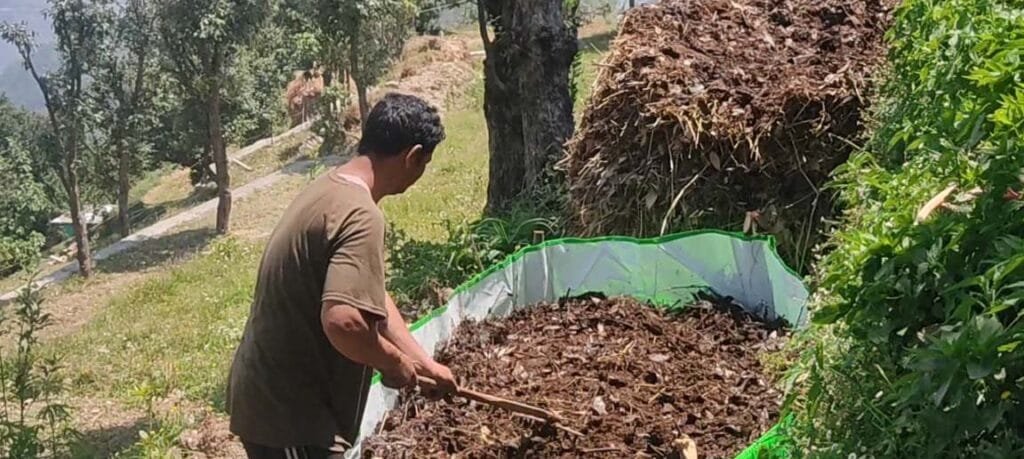
Composting transforms agricultural waste into nutrient-rich organic matter. Incorporating well-decomposed farmyard manure (FYM) or vermicompost increases organic carbon and improves soil structure.
| Input Type | Application Rate (per hectare) | Primary Benefits |
|---|---|---|
| Farmyard Manure (FYM) | 15–20 tons | Improves texture, nutrient retention |
| Vermicompost | 5–6 tons | Enhances microbial activity |
| Green Manure (e.g., Sunhemp) | Incorporated before planting | Increases nitrogen and soil biomass |
2. Biofertilizers
Biofertilizers like Azotobacter, Phosphate Solubilizing Bacteria (PSB), and Trichoderma species help fix atmospheric nitrogen, unlock bound phosphorus, and suppress soil pathogens—making the soil more self-sufficient.
Pest and Disease Management through Biological Control
In sustainable orchards, pest management is ecological, not chemical. Instead of relying on synthetic pesticides, biological and cultural controls are emphasized.
1. Biological Agents
Beneficial organisms like ladybird beetles, Trichogramma, and predatory mites are introduced to naturally regulate aphids, borers, and mites.
2. Botanical Extracts and Bio-Pesticides
Natural formulations such as neem oil (Azadirachtin), Beauveria bassiana, and Metarhizium anisopliae are used for pest suppression without harming beneficial insects.
| Bio-Agent / Extract | Target Pest / Disease | Mode of Action |
|---|---|---|
| Neem Oil (2%) | Aphids, whiteflies | Antifeedant and growth regulator |
| Beauveria bassiana | Caterpillars, borers | Fungal infection of pest body |
| Trichoderma harzianum | Root rot, wilt | Soil pathogen suppression |
3. Cultural Practices
- Pruning and canopy management for better air circulation
- Use of pheromone traps and yellow sticky traps
- Intercropping with flowering plants to attract pollinators
Water Management and Resource Efficiency
Efficient water use is central to sustainable orchard management. Drip irrigation systems minimize water wastage while maintaining consistent soil moisture.
| Water Management Practice | Benefit |
|---|---|
| Drip Irrigation | 40–60% water saving compared to flood irrigation |
| Mulching (organic straw, black film) | Reduces evaporation and weed growth |
| Rainwater Harvesting | Ensures water availability during dry periods |
Additionally, soil moisture sensors and automated irrigation systems enable precision water management, aligning irrigation schedules with plant needs.
Enhancing Orchard Biodiversity
A sustainable orchard is not a monocrop—it’s a miniature ecosystem. Integrating multiple plant species improves resilience and ecological balance.
1. Intercropping and Cover Crops
Leguminous crops like clover, beans, and peas are excellent intercrops that fix nitrogen and protect soil from erosion.
2. Shelterbelts and Windbreaks
Planting native trees or shrubs around the orchard reduces wind damage and provides habitat for beneficial fauna.
3. Pollinator Management
Installing bee boxes or encouraging wild pollinators improves fruit set and quality while strengthening ecological diversity.
Waste Recycling and Carbon Management
Sustainable orchards close the nutrient cycle through efficient waste recycling.
- Pruned wood can be converted into biochar to improve soil carbon.
- Fruit waste can be composted into organic fertilizer.
- Solar dryers and renewable energy systems reduce post-harvest losses and carbon emissions.
| Practice | Carbon Benefit |
|---|---|
| Biochar Incorporation | Sequesters carbon, improves CEC |
| Composting Waste | Reduces methane emission from decomposition |
| Solar Energy Use | Decreases fossil fuel dependence |
Certification and Compliance
For commercial apple growers, obtaining organic certification enhances market value and consumer trust. Certification standards such as NPOP (India), NOP (USA), and EU Organic Regulation require strict adherence to:
- Zero synthetic pesticide use
- Documented organic input management
- Soil and water conservation measures
Orchard Solutions assists growers through:
- Documentation and audit preparation
- Input scheduling and organic record management
- Annual inspection readiness
Orchard Solutions’ Approach to Sustainable Orchard Design
At Orchard Solutions, sustainability begins with design. Our approach integrates:
- Soil and climate mapping for organic feasibility
- Selection of disease-resistant apple varieties and rootstocks
- Customized nutrient and irrigation plans using organic inputs
- Biodiversity corridors to support natural pollination and pest control
This holistic strategy ensures every orchard is a closed-loop system, balancing productivity with environmental integrity.
Conclusion
The path to sustainable apple farming lies in harmonizing science with nature. Organic and sustainable orchard management is not merely a trend—it is the future of resilient agriculture.
By restoring soil health, optimizing resources, and respecting ecological systems, farmers can achieve long-term productivity without compromising environmental health.
At Orchard Solutions, we help growers transition to sustainable models with scientific precision and natural wisdom—empowering them to cultivate orchards that nourish both people and the planet.